
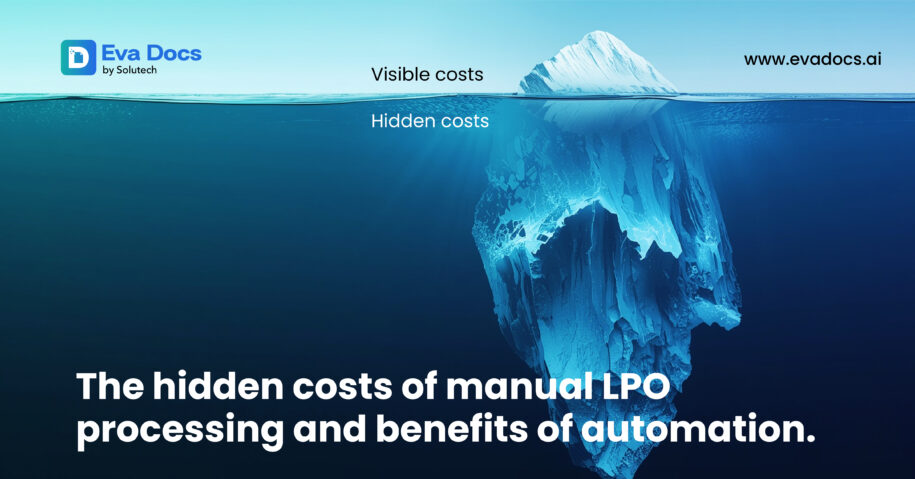
Across African supply chains, the Local Purchase Order has always been treated as a simple administrative step, a document that passes from one desk to another until it finally lands in the ERP. Because the process feels familiar, many organizations underestimate how quietly expensive it has become. Manual LPO handling is not merely slow; it introduces friction into every part of the business: fulfillment, accuracy, cash flow, customer experience, and staff productivity.
The true cost rarely appears in financial reports. It hides in the minutes teams spend reconciling misaligned quantities, in the back-and-forth needed to clarify handwritten notes, in the delays that push deliveries into the next day, and in the exhaustion that comes from work that never quite ends. What looks like routine administrative effort becomes a chain of inefficiencies that compound over time.
Peter Drucker once remarked that “efficiency is doing things right; effectiveness is doing the right things.”
Manual LPO processing may be done “right,” but it is no longer the “right thing” for modern operations.
As order volumes grow and customer expectations climb, organizations begin to feel the weight of outdated workflows. Finance teams spend evenings catching up on entries. Operations managers struggle to reconcile mismatched data. Customer service teams handle avoidable disputes caused by small errors that snowballed. People work harder, but the system itself does not get any smarter.
This is the turning point many companies reach: the realization that manual document handling is not an operational inconvenience, it is a structural limitation. No matter how dedicated the team is, a manual process cannot deliver the speed, consistency, or visibility required in today’s supply chain environment. Technology stops being an optional upgrade and becomes the foundation for future growth.
It is in response to this shift that EvaDocs.ai was developed. Not as a tool to replace human judgment, but as a system that removes the repetitive, error-prone steps that drain time and cause delays. By automatically reading, understanding, validating, and routing LPOs directly into ERPs, it transforms what used to be a slow, multi-step chain into a clean, predictable workflow. The value is not just in saved hours, it is in the confidence that every order entering the system is complete, accurate, and immediately actionable.
Automation also changes the nature of work for teams. Instead of spending their day retyping numbers, chasing approvals, or correcting mistakes, they shift their energy to higher-value tasks: analyzing trends, planning inventory, strengthening customer relationships, and improving service quality. When the administrative burden falls, the strategic capacity rises.
Organizations that make this transition often describe the same feeling: a sense of calm replacing constant urgency. Documents no longer go missing. Approvals no longer stall. Data no longer conflicts. Decisions move faster because information flows without friction. The supply chain becomes more predictable, and leadership gains a clearer view of what is actually happening on the ground.
The future of operational excellence will not be defined by how fast teams can process paperwork, but by how intelligently businesses design their workflows. Manual LPO processing belongs to an era where volume was manageable and customer expectations were lower. Today, the companies that thrive are the ones that eliminate the hidden friction that holds others back.
Automation is no longer a trend.
It is the new baseline for efficiency, accuracy, and scalable growth.

Leave a Reply